Copper Electroplating Supplies Buying Guide: Copper Sulfate, Anodes and Refills
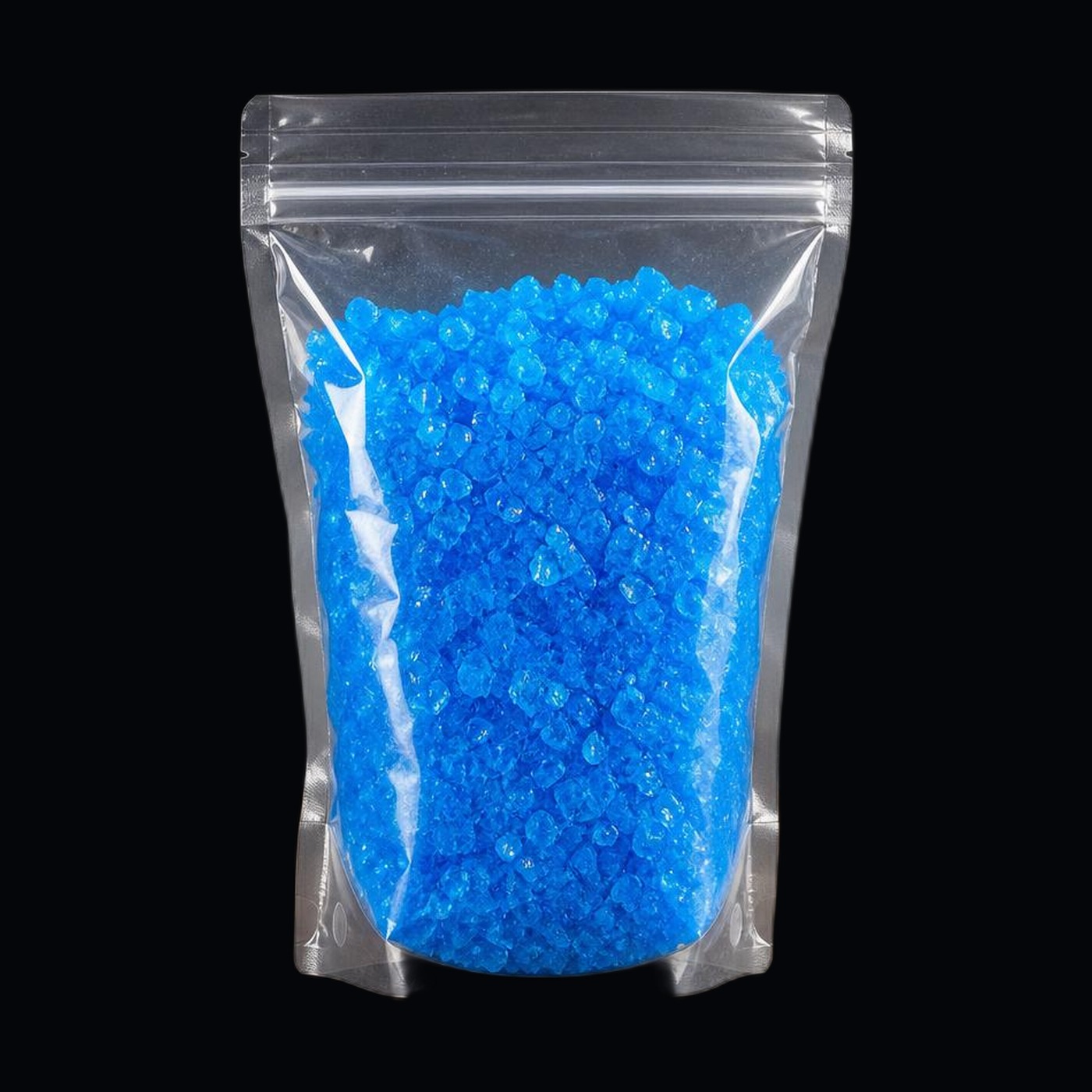
When you already own a functioning copper plating system, replacement supplies should match the original chemistry and tank design. Do not assume a blue copper sulfate powder, an arbitrary acid or an unrelated brightener is interchangeable with your kit. Buy refills for an identified need, and follow the exact mixing card and safety data sheets for the current system.
What each supply does
| Supply | Role | When to consider purchasing |
|---|---|---|
| Copper sulfate pentahydrate | Provides copper ions in the specified electrolyte formulation | Your documented recipe requires a fresh batch or approved replenishment |
| Copper anode sheets | Supply copper in the documented soluble-anode system | Existing anodes are consumed, damaged or unsuitable for the fixture |
| Conductive paint | Creates a continuous electrical path on prepared plastic | Coating stock is low or unsuitable for the next material |
| Distilled water and specified electrolyte ingredients | Used according to the matched bath recipe | You need to prepare the specified chemistry, not to improvise a substitute |
| Tank, rinse containers and fixtures | Hold chemicals and maintain safe separation | The equipment is damaged or does not fit the project |
PrintPlating lists 500 g and 3000 g copper sulfate pentahydrate packs, and copper anode sheets sold separately. The anode listing specifies a pack of 25 sheets sized 50 × 100 × 0.4 mm. Check the live product listings and SDS for current details. The paint-only listing is separate from complete kits.
How much copper sulfate should you buy?
Use the approved mixing card to determine the amount required per fresh batch. A purchase-planning calculation is pack mass divided by specified mass per batch, rounded down to complete batches. If a hypothetical recipe requires 200 g per batch, 500 g would cover two complete batches with 100 g remaining; 3000 g would cover fifteen. This is only an inventory calculation, not a mixing recipe or recommended concentration. The actual recipe must match the product, final bath volume and other ingredients. Do not prepare extra chemical solution just because you purchased a larger pack.
Compare cost per usable gram, shipping, storage space and actual expected consumption. A smaller pack may suit occasional hobby use even when a large pack costs less per gram. Label chemicals and keep them in their appropriate original containers, secure from children and pets. Refer to the SDS for compatible storage and disposal. A lower purchase price is not a reason to overstock hazardous materials.
When should you replace or replenish a bath?
Do not rely on color alone. Copper ions, additive balance, contamination, evaporation and anode behavior affect the process. A solution that still looks blue can behave poorly. A rough coating may instead result from poor surface prep, unstable contact or incorrect current. Keep a log of batch ID, chemistry used, date prepared, parts, observed result and any supplier-approved maintenance. If behavior changes, use the troubleshooting guidance and consult the supplier instead of adding copper sulfate or acid by guesswork.
Replenishment is not the same as a full bath change. Some documented systems have specific testing and maintenance procedures. Only use additions and quantities explicitly supported by your chosen system. Handle spills, waste solution, contaminated rinses and used supplies according to the SDS and local waste requirements; do not discharge spent electrolyte to a drain.
Select anodes for the tank, not just by total sheet count
Check the anode material, dimensions and connection method. In the kit's copper process, the anodes face the part and connect to positive; the workpiece is negative. The geometry should allow similar spacing and prevent contact between electrodes, tank and moving fixtures. A larger number of sheets is not automatically better if they crowd the part or do not suit the specified current and arrangement.
Before buying, measure the usable tank space and the part's envelope including the holder. Record what sheets are already usable. If you need larger bath equipment or have a more demanding part, use a documented compatible system rather than forcing the original jar layout to accommodate it.
A practical refill checklist
Keep an inventory of unopened salt, usable anodes, dry coating, dedicated rinse supplies and PPE. For each planned project, record expected exposed area and whether the existing setup is suitable. Reorder when you can identify an actual shortage, not after every disappointing result. If coating coverage is the issue, review conductive paint selection; if the source cannot provide the documented control, review power supplies.
Frequently asked questions
Is copper sulfate alone a complete electrolyte? Not for every system. The kit specifies the matching additional ingredients and concentrations; use that card and supplier guidance.
Can I use agricultural copper sulfate? Do not assume a product sold for another purpose is plating-grade or compatible. Buy chemistry specified for the process.
Can anodes last through multiple projects? Their usable life depends on consumption and condition. Inspect and replace according to the process guidance.
Can I pour a used copper bath down the drain? No. Collect it and contaminated rinses for appropriate disposal.
References
- PrintPlating Starter Kit Guide, pp. 3–16 (supplied with the kit); see our electroplating overview, safety guide and safety data sheets.
- Copper sulfate SDS and anode SDS.
- Caswell: example of a separate manufacturer-specific copper chemistry package.
Shop 500 g copper sulfate · Shop 3000 g copper sulfate · Shop copper anodes
Copper electroplating buying guides
Choose the guide that matches the equipment or project you are planning.
- Electroplating kits for 3D prints — Choose a complete beginner setup; compare what is included, fit and the supplies you still need.
- Conductive paint for electroplating plastic — Choose and test a coating before you commit your print to the copper bath.
- Metal 3D printing vs. copper electroplating — Compare finished appearance, total process cost, material properties and manufacturing routes.
- PrintPlating vs. Caswell and other options — Compare the jar system, larger rectifier kit and component-based approaches without misleading price claims.
- Electroplating PLA, PETG and resin prints — Choose a substrate and identify preparation, sealing and adhesion requirements.
- Choosing an electroplating power supply — Understand area, current control, compatible supplies and safe test checks.
- Electroplating cosplay props, models and jewelry — Decide which projects suit a copper finish and design parts that fit the bath.